Top 10 Digital Marketing Strategies That Actually Work in 2026
In 2026, digital marketing is evolving faster than ever. Businesses that adapt to new strategies are the ones that grow successfully. Here are 10 proven digital marketing strategies that actually work.
Content marketing remains the foundation. Creating valuable blogs, videos, and posts helps attract and retain your audience. SEO is equally important because ranking on Google brings long-term organic traffic.
Short-form video content is dominating platforms like Instagram Reels and YouTube Shorts. It helps increase reach and engagement quickly. Social media consistency is key—posting regularly builds trust and visibility.
Email marketing is still one of the highest ROI strategies. It helps you stay connected with your audience and convert leads into customers. Influencer marketing is also growing, especially for small brands looking to expand reach.
Using AI tools can improve productivity and content creation. Paid advertising like Google Ads and Meta Ads can generate quick results if used correctly.
Another important strategy is personal branding. People trust people more than brands, so building a personal identity online can boost credibility.
Lastly, always track your performance using analytics. Understanding what works helps you improve your strategy.
1. Content Marketing
Content marketing is the foundation of digital marketing. It focuses on creating valuable and relevant content to attract and engage your target audience. This includes blogs, videos, social media posts, infographics, and more.
Instead of directly selling, content marketing builds trust by educating or entertaining your audience. When people find your content helpful, they are more likely to choose your brand.
To succeed, focus on consistency, quality, and solving real problems of your audience. Well-optimized content also helps improve your SEO and brings organic traffic over time.
2. SEO Optimization
SEO (Search Engine Optimization) is the process of improving your website so it ranks higher on search engines like Google. Higher rankings mean more visibility and more organic traffic.
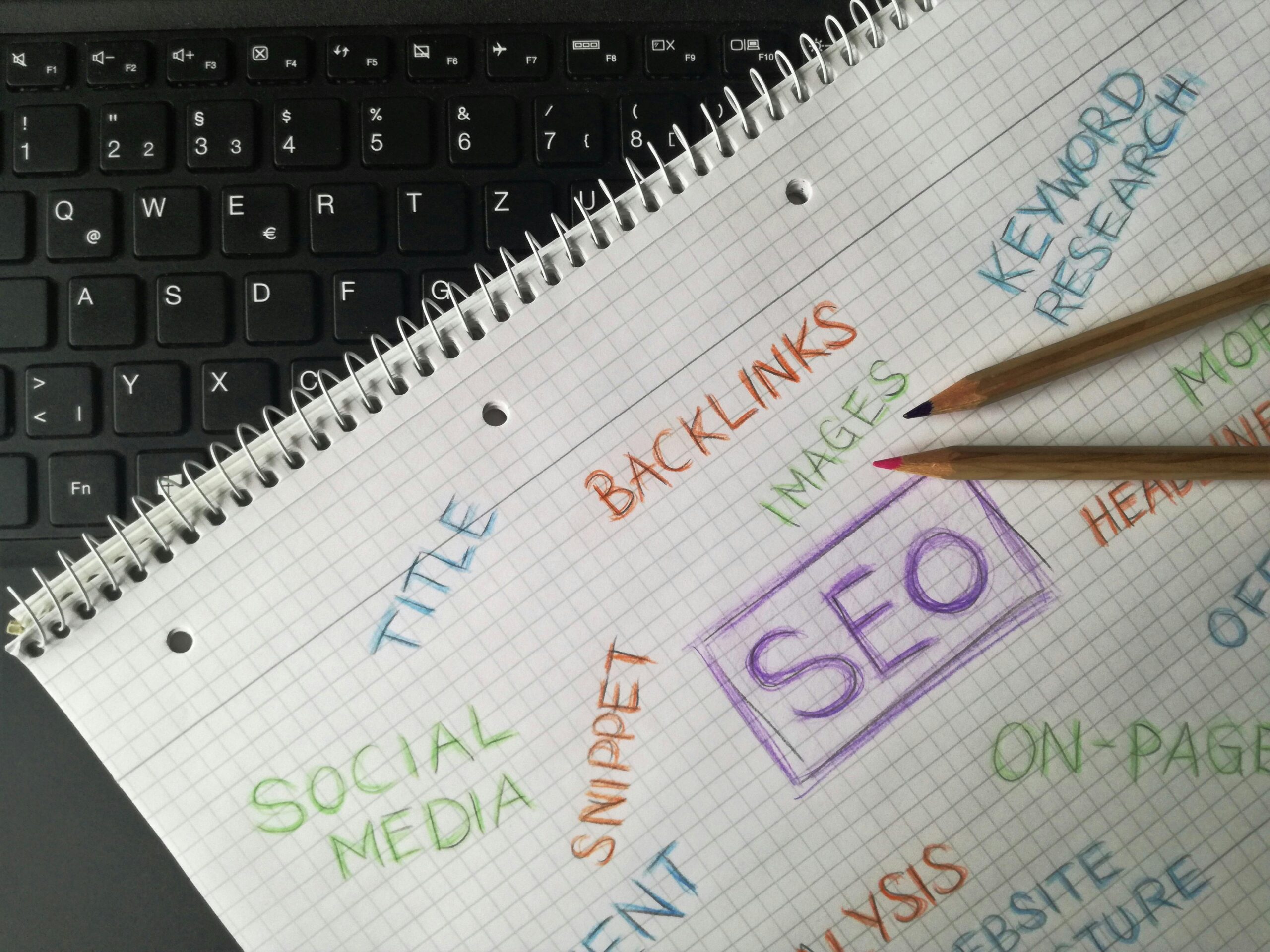
SEO includes keyword research, on-page optimization (titles, headings, content), and technical improvements like website speed and mobile-friendliness.
Although SEO takes time, it delivers long-term results and is one of the most cost-effective marketing strategies. A well-optimized website can continuously bring visitors without spending on ads.
3. Short-Form Video Content
Short-form videos have become one of the most powerful marketing tools in 2026. Platforms like Instagram Reels and YouTube Shorts allow you to reach a large audience quickly.
These videos are engaging, easy to consume, and highly shareable. They help increase brand visibility and attract new followers.
To succeed, focus on creating attention-grabbing content within the first few seconds. Trends, storytelling, and value-driven content perform best in short formats.
4. Social Media Consistency
Consistency on social media is key to building a strong online presence. Posting regularly keeps your audience engaged and helps your brand stay visible.
It’s not just about posting frequently but also maintaining a consistent tone, style, and message. This builds brand identity and trust.
Creating a content calendar can help you stay organized and consistent. Over time, consistency leads to better engagement, more followers, and stronger brand recognition.
5. Email Marketing
Email marketing remains one of the highest return-on-investment (ROI) strategies in digital marketing. It allows you to communicate directly with your audience in a personalized way.
You can use email marketing to share updates, promote offers, and nurture leads. Unlike social media, you own your email list, making it a valuable asset.
The key to success is providing value through your emails and avoiding spammy content. Personalization and segmentation can significantly improve results.
6. Influencer Marketing
Influencer marketing involves collaborating with individuals who have a strong following on social media. These influencers can promote your brand to their audience, increasing your reach and credibility.
For small businesses, working with micro-influencers can be very effective and budget-friendly. Their audience is often more engaged and niche-specific.
Choosing the right influencer who aligns with your brand values is crucial for success.
7. AI Tools
AI tools are transforming digital marketing by making tasks faster and more efficient. They can help with content creation, data analysis, customer support, and more.
Tools powered by AI can generate ideas, write content, and optimize campaigns. This saves time and improves productivity.
However, it’s important to use AI as a support tool, not a replacement. Human creativity and strategy are still essential for effective marketing.
8. Paid Advertising
Paid advertising is one of the fastest ways to get results online. Platforms like Google Ads and Meta Ads allow you to target specific audiences based on demographics, interests, and behavior.
It helps businesses generate instant traffic, leads, and sales. Paid ads are especially useful for product launches, promotions, and scaling quickly.
To get the best results, you need proper targeting, engaging creatives, and continuous optimization of campaigns.
9. Personal Branding
Personal branding is about building your identity and reputation online. People trust individuals more than companies, which makes personal branding a powerful strategy.
By sharing your knowledge, experiences, and insights, you can establish yourself as an authority in your field. This helps attract clients, collaborations, and opportunities.
Authenticity and consistency are key to building a strong personal brand.
10. Analytics Tracking
Analytics tracking helps you measure the performance of your marketing efforts. It provides insights into what is working and what needs improvement.
Tools like Google Analytics allow you to track website traffic, user behavior, and conversions. Social media insights also help you understand engagement and audience preferences.
By analyzing data, you can make informed decisions and optimize your strategies for better results.
Focus on strategies that bring real results, not just trends.